


State of Survival: Zombie War
4.393.28K Reviews
App Specs
- Version
- 1.26.700
- Updated On
- License
- Free
- Downloads
- 50,000,000+
- Developer
- FunPlus International AG
- Categories
- Strategy
- Platform
- Android, iOS
Screenshots
 Analysis by AppCompare
My first surprise with State of Survival: Zombie War was how quickly a simple base task can turn into a string of decisions. I might log in planning to improve one building, then notice a resource need, check a mission, and end up weighing whether to focus on my settlement or send a squad out. That routine suits a strategy game, but it also means the experience feels less like a short, self-contained match and more like a world that rewards regular check-ins.
What a short session can realistically accomplish
The pace depends on what I choose to do. A quick visit is useful for checking the base, collecting myself on the next upgrade, and deciding what to prioritize; it is not necessarily enough to see every part of the game. Longer sessions leave more room to follow missions, consider hero combinations, and pay attention to activity beyond the walls. I would not call it a game that demands constant attention every minute, but its many connected systems can make a planned five-minute visit stretch if I keep chasing one more objective.
That distinction matters if you are choosing between this and a strategy game built around brief rounds. Here, progress is tied to developing a settlement and making choices across several layers, rather than simply finishing a match and putting the game away. I find that appealing when I want a continuing project. If I only have time for a quick burst with a clear start and finish, a turn-based tactics game or a compact puzzle strategy title is likely a better fit.
Where the busier moments come from
The most demanding moments are not just the zombie encounters. I also have to decide how to divide attention between construction, resource management, missions, hero development, and the wider map. Those choices can feel rewarding because they make the base seem connected to the world outside it. They can also create decision fatigue: if I open the game without a priority, I may spend more time browsing tasks than enjoying any one activity.
My practical workaround is to choose one main goal before a session. For example, I can decide to work toward a particular facility upgrade, then use missions or map activity only when they support that aim. That keeps the game’s range from turning into a checklist. I also try not to spend scarce resources on the first available improvement simply because its button is visible; checking what the next step requires can prevent a detour that leaves a more useful plan unfinished.
Stability, device fit, and spending boundaries
I would treat performance as something to judge on the device I plan to use, rather than assume every phone will handle the same scenes identically. The game has detailed environments, character models, animations, and sound, so a device that already struggles with visually busy games may be a poor match for long sessions. Keeping the operating system current enough to meet the stated minimum and leaving room for the game to run are sensible basics, but I would not promise a particular frame rate, loading speed, or battery life.
State of Survival is free to start, with optional in-app purchases ranging from $0.49 to $199.99 per item. That wide range makes it especially important to set a personal spending limit before a time-limited offer or a tempting upgrade appears. I would begin by learning which activities I enjoy and how the game’s progression feels without paying. If the basic loop already feels too slow or too demanding, purchases are unlikely to fix that mismatch in a satisfying way.
Worth Reading Before You Choose

Flipboard Shows What News Apps Must Do Beyond the Feed

Switching to Android Auto Means Rethinking Your Driving Routine

Google Calendar Makes a Crowded Week Easier to Manage

Ludo King Makes the Most of the Minutes Between Plans

Baby Panda World Brings Quick Play to Modern Phones, but Its Game Library Feels Busy

ESPN’s Live Game View Makes Following Close Games Easier
The game is rated Teen, and FunPlus International AG is its developer. It was released on August 26, 2019, and version 1.25.500 is listed as the current version. Its average rating is 4.3 from around 2.3 million ratings, with about 93,000 written reviews, and it has passed 50 million installs. Those figures suggest a large audience, but I would use them as context rather than a promise that the game will suit my taste or run equally well on every device.
Building Your Base
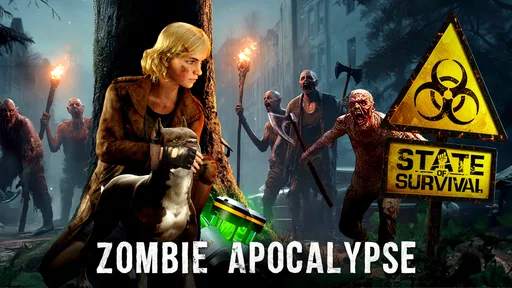
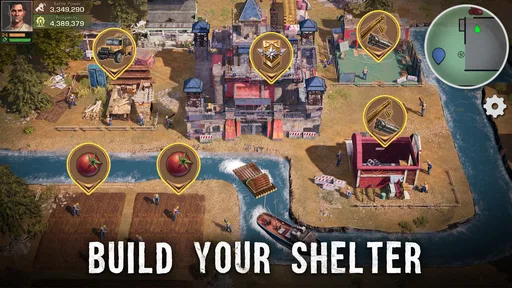
The game starts by thrusting you into a post-apocalyptic world overrun by zombies. Your primary mission? To build and fortify a base that can withstand zombie attacks. State of Survival: Zombie War does an excellent job of combining strategy with survival elements. You need to construct buildings, upgrade facilities, and manage resources—sounds pretty standard, right? But the game adds layers of complexity with its unique characters and heroes.
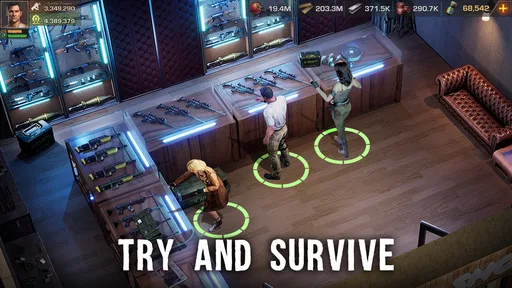
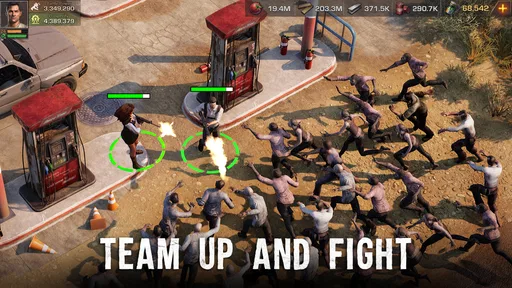
As you progress, you’ll unlock different heroes, each with their own special abilities and backstories. These heroes play a crucial role in both defending your base and leading squads on missions. It’s a nice touch that adds depth and encourages you to think strategically about team composition and hero synergy.
Exploring the Infected World
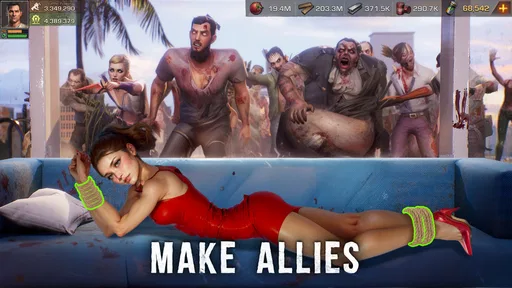
Beyond base-building, exploration is a key component of the game. The world map is vast, and venturing beyond your base is not just about clearing zombie hordes. You’ll encounter other players, form alliances, and even engage in PvP battles. This aspect adds a layer of unpredictability and excitement as you never quite know what—or who—you’ll encounter next.
Quests and missions are scattered throughout the map, providing plenty of opportunities to earn resources and recruit new survivors. The developers have done a fantastic job of creating a world that feels alive and dynamic, always offering something new to discover.
Graphics and Immersive Experience
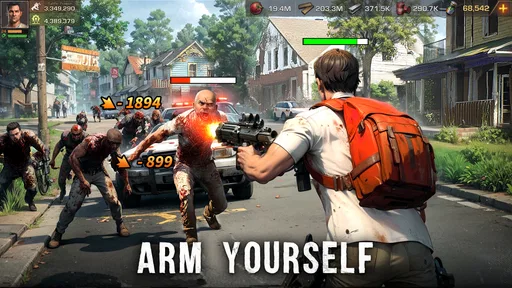
Visually, the presentation is a treat. The graphics are impressive for a mobile game, with detailed environments and character models that bring the apocalypse to life. The animations are smooth, especially during combat, making it satisfying to watch your heroes take down waves of zombies.
The sound design complements the visuals perfectly. From the eerie background music to the chilling groans of zombies, every audio element contributes to an immersive experience that keeps you engaged.
Community and Social Features
The game really shines in its community and social aspects. Joining alliances isn’t just an optional feature; it’s essential for survival. Working together with others provides benefits like resource sharing and coordinated attacks on common enemies. Plus, the social interactions add a human element to the game, making it feel less lonely in the desolate world you’re navigating.
Chats and forums within the game are bustling with activity, and it’s not uncommon to find players sharing tips or just chatting about their day. It’s a vibrant community that adds a social layer to the gameplay.
My Takeaway
Overall, State of Survival: Zombie War is a solid choice for fans of strategy and survival games. It combines elements of base-building, exploration, and social interaction in a way that is both engaging and rewarding. The game does a great job of keeping you busy with its variety of missions and challenges, ensuring there’s never a dull moment.
While it might feel a bit overwhelming at first with all its features and mechanics, once you get the hang of it, it’s a truly addictive experience. Whether you’re a solo player or someone who enjoys teaming up with others, there’s something here for everyone. So, if you’re ready to test your survival skills in a zombie-infested world, you know what to do—dive into the chaos and enjoy the thrill!
Who will get the most from this kind of strategy
I think this is best for someone who enjoys maintaining a project over time and likes having several decisions to revisit. The base gives you a home for your progress, while heroes, missions, and the map add reasons to think beyond the next building. Players who like coordinating with an alliance may find the social layer a genuine part of the appeal rather than an extra menu to ignore.
It is less suitable for anyone who wants a fully self-contained solo campaign or a strategy game where every outcome comes from a short tactical encounter. Other players and PvP are part of the wider experience, so someone who dislikes competitive uncertainty may prefer a single-player city builder or a strategy title focused on planned battles. Likewise, if you want to play only occasionally and dislike returning to a developing base, the ongoing structure may feel like an obligation rather than a welcome routine.
A useful routine for fitting it into a day
On a busy day, I would use a simple order: check the base, identify the resource or facility that matters most to my current goal, then choose one mission or map activity that supports it. If I have more time, I can explore other options afterward. This approach is more satisfying than tapping through every available prompt, because it turns a crowded set of activities into a plan with a reason behind it.
For instance, imagine opening the game during a lunch break and seeing that a facility upgrade is within reach but needs more resources. Rather than starting unrelated improvements, I would look for a mission that helps with that shortfall, then leave the larger map decisions for a longer session. That is a practical way to make progress without letting the game consume the whole break. It also makes it easier to decide when to stop: once the chosen objective is handled, I can close the game rather than follow every new notification or opportunity.
How it differs from other mobile strategy games
Compared with a conventional tower-defense game, the focus here is broader than placing defenses during a wave. The settlement, resource decisions, heroes, missions, alliance activity, and player encounters all contribute to the loop. That breadth is the main attraction, but it is also the trade-off: a player looking for immediate tactical action may find the management layer slower than expected.
Against a typical base-building strategy game, the zombie setting and hero-led missions give the world a more adventure-oriented feel. Still, the core pleasure is not simply watching a story unfold; it comes from choosing what to improve and how to use your roster and resources. I would choose this over a narrow combat game when I want a longer-running world and social play. I would choose the narrower alternative when I want quick, predictable matches without the wider commitments.
Learning the systems without wasting effort
New players can reduce early confusion by treating the interface as a set of connected priorities rather than a collection of unrelated tasks. Before committing resources, I would check whether an upgrade supports the kind of play I actually enjoy: base development, missions, or activity with other players. Hero abilities are another reason to pause before assembling squads; a character’s value depends on the role they fill and how that role fits the rest of the team, not just on being newly unlocked.
I would also think of alliance participation as a choice about the kind of experience I want. Joining can make coordination and shared activity more meaningful, but it brings other people’s schedules and expectations into the game. If that sounds fun, it can make the map feel more alive. If I prefer complete independence, I should be comfortable with the possibility that some parts of the experience will feel less rewarding without that cooperation.
What to expect from access and ongoing play
The game is free to download and play, and the Teen age rating gives families a useful starting point when deciding whether it is appropriate. Optional purchases are not necessary to understand the basic appeal, so I would first spend time learning the pace and deciding whether the base-and-map loop holds my interest. If I do consider spending, I would compare the purchase with my own patience and budget rather than treating it as a shortcut I need in order to enjoy the game.
Since the world includes alliances and PvP encounters, the experience can be more social and less predictable than a purely offline strategy game. That is worth considering before choosing it for a child or for someone who wants a quiet, solo pastime. The Teen rating is a helpful guide, but I would still make the decision based on the player’s comfort with competition and in-game social interaction.
My performance verdict
For me, the strongest reason to try this strategy game is the way it links base growth with heroes, missions, and a shared world. Its main friction is the same breadth: the game can feel busy, and steady engagement suits it better than occasional, disconnected visits. I would start with a clear goal, keep spending optional, and judge the experience on the device I actually use rather than expecting identical speed everywhere.
If you like a zombie setting, long-term base development, and the possibility of coordinating with other players, it is an easy one to consider. If you want short rounds, a purely solo story, or a game that asks for very little attention between sessions, I would look elsewhere. My recommendation is therefore specific: try it for the ongoing strategy and community, not because you expect every session to be fast or every part of the world to suit every player.
Pros
- Engaging storyline keeps players interested.
- Regular updates with new features and events.
- Diverse range of characters and heroes.
- Strategic gameplay with alliance options.
- High-quality graphics and sound effects.
Cons
- In-game purchases can be costly.
- Requires constant internet connection.
- Can be time-consuming to progress.
- Occasional glitches and bugs.
- Steep learning curve for new players.
FAQs for State of Survival: Zombie War
What type of game is State of Survival: Zombie War?
State of Survival: Zombie War is a strategy game set in a post-apocalyptic world overrun by zombies. Players must build and manage a settlement, recruit and train survivors, and strategize battles against both zombie hordes and rival players. The game combines resource management, tactical combat, and story-driven missions to create an immersive experience.
Is State of Survival: Zombie War free to play?
Yes, State of Survival: Zombie War is free to download and play. However, it includes in-app purchases that can enhance gameplay. These purchases range from cosmetic items to resources that can help speed up progress. Players can enjoy the game without spending money, but purchases may offer some advantages.
What are the system requirements for State of Survival: Zombie War?
For Android devices, State of Survival requires Android 4.1 and up, while iOS devices need iOS 10.0 or later. It’s recommended to have a stable internet connection to ensure smooth gameplay, as the game features online interactions and updates. Ensure your device has enough storage space for the game and its updates.
How does multiplayer work in State of Survival: Zombie War?
State of Survival offers various multiplayer features. Players can join alliances to team up with others, participate in alliance-based events, and engage in PvP battles. Cooperation with alliance members can provide strategic advantages and rewards. The game also includes leaderboards and global events to compete with players worldwide.
Are there any strategies to succeed in State of Survival: Zombie War?
Success in State of Survival requires balancing resource management, base-building, and tactical combat. Focus on upgrading your settlement, training a diverse set of troops, and researching technologies. Joining an active alliance can provide support and resources. Regularly participate in events and complete missions to gain valuable rewards and progress faster.


